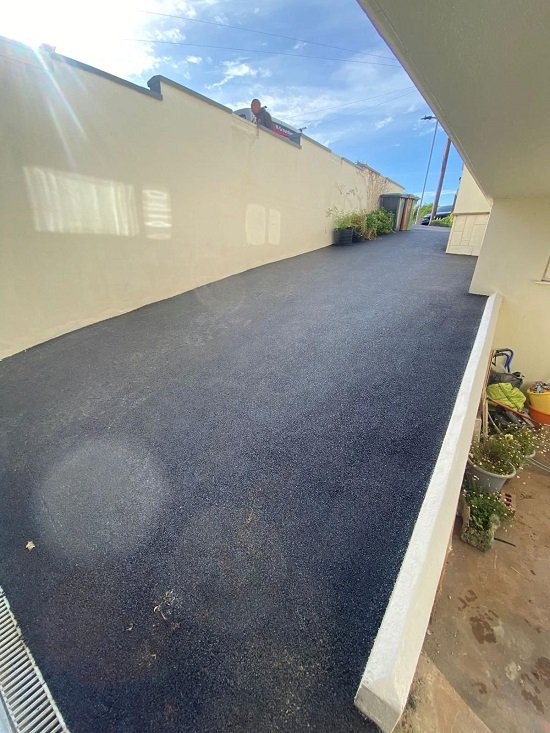
One of the most common challenges homeowners face is dealing with oil stains on driveways while maintaining a clean and appealing outdoor space. Whether from a leaky automobile, a spilt container, or daily vehicle use, these nasty drops of oil can lessen your property’s value and also cause more complex cleaning issues if left ignored. Luckily, there are effective methods to handle these stains without requiring expert assistance, which makes it a handy task for individuals ready to roll up their sleeves.
Removing oil stains from a driveway needs suitable materials, right methods, and some effort. You can use different solutions, including household items and special cleaners, to clean your driveway and eliminate oil stains. In this guide, we will discuss various options and steps to help keep your driveway looking good and clean, so it remains a nice extension of your property.
What Leads to Oil Stains on Driveways?
Vehicle leaks, especially engine oil leaks, often create stains on driveways. However, oil stains can come from other sources, like garden tools, spills, and even rainwater that picks up oil from various surfaces.
- Vehicle Leaks: Oil can leak from various parts of cars, motorcycles, and other vehicles, including the engine, transmission, and other fluid systems.
- Garden Equipment: Leaks from lawnmowers, chainsaws, and other gardening tools can cause oil stains, primarily when these tools are used near or on the driveway.
- Spills: Accidents during oil changes or other maintenance tasks can lead to spills on the driveway.
- Rainwater: Rain can wash oil from roads or parking lots onto the driveway, leaving stains as water evaporates.
- Material Porosity: The type of driveway material also matters. Porous surfaces like natural stone absorb oil more than concrete or block pavers.
- Timing Cover Seal/Gasket: If the timing cover seal or gasket leaks, oil may drip from the engine's front area.
- Differential Oil: Transmission fluid and differential oil can cause driveway stains that appear redder than engine oil.
Although the stains can be unsightly, some driveway cleaning companies claim that these stains can be removed using proper cleaning techniques and products.
How to Remove Oil Stains from a Driveway?
A clean and well-maintained driveway is popular among homeowners for improving their home's first impression. However, keeping it looking nice can be tough since outdoor surfaces attract stains and dirt. If you are not appropriately treating them, the driveway can severely detract from its stunning appearance. Here are a few steps you can follow to eliminate oil stains from a driveway, including:
Absorb the Spill
Absorb the Spills: Immediately cover the spill with an absorbent material such as cat litter, sawdust, sand, cornmeal, cornstarch, or baking soda. Allow it to sit for a specific period to absorb the oil.
Sweep it Up: You can use a broom and dustpan to remove the absorbent material.
Scrub the Stain
Dish Soap: Dish soap effectively cuts through grease. Apply it directly onto the mark, then scrub using a stiff brush, and rinse with warm water.
Powdered Detergent: Make a paste by mixing powdered laundry detergent with warm water, then scrub the stain and rinse.
Vinegar: Mix white vinegar—which can help lift stains—and water in a 1:1 ratio. Apply the solution directly to the stain, allow it to perform its action, then gently scrub the area and clean thoroughly.
Cola: For tough stains, pour cola over the spot and leave it for several hours before scrubbing and rinsing.
Use Specialised Products
Concrete Cleaner or Degreaser: These products are particularly designed to eliminate oil and grease from concrete surfaces. Use them according to the manufacturer's guidelines for the perfect results.
WD-40: WD-40 can penetrate grease and oil, making it a valuable option for older stains. Its penetrating properties can loosen stubborn stains, helping to lift away grease with less effort.
Oven Cleaner: Oven cleaners effectively break down oil and grease, making them powerful choices for stubborn stains on various surfaces. Ensure you use them according to the manufacturer's secure and effective cleaning guidelines.
Poultice: For persistent stains, you can use a poultice, a thick paste, by mixing absorbent material, such as baking soda or flour, with a solvent like mineral spirits or acetone. Apply the paste to the stain, cover it with plastic, and let it sit for 24 hours before cleaning.
Pressure Washer: A pressure washer equipped with a 15-25-degree nozzle can effectively remove oil stains from driveways, particularly when used with a degreaser.
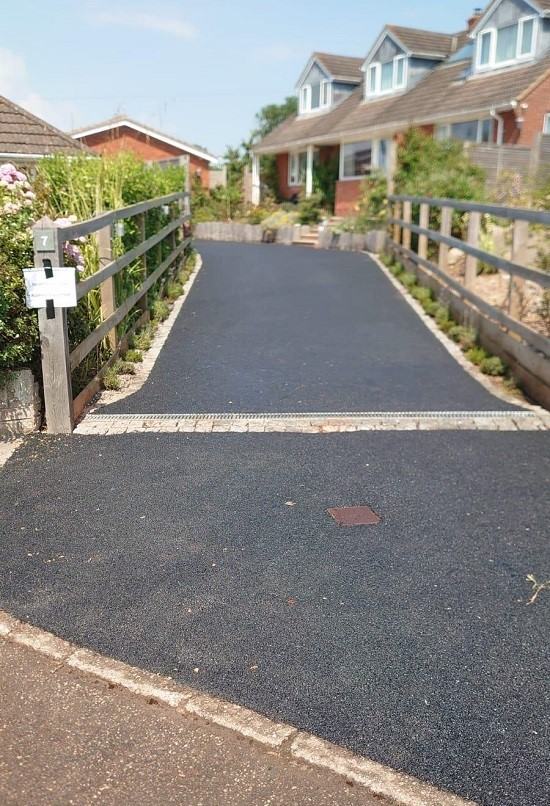
Effective Ways to Prevent Oil Stains On Your Driveway
To prevent oil stains from occurring on your driveway, you can follow these tips:
- Regular Vehicle Maintenance: Schedule routine maintenance checks for your vehicle to detect and fix oil leaks early.
- Immediate Repairs: Address any leaks as soon as they are noticed to prevent staining.
- Drip Catchers: If immediate repairs aren’t possible, place a cardboard or an absorbent mat under the vehicle to catch drips, especially during long-term parking.
- Seal Your Driveway: Seal your driveway with a sealant designed to repel oil and other stains on concrete or asphalt driveways. This creates a barrier that helps prevent oil penetration.
- Immediate Cleaning: If a spill happens, clean it up instantly using an absorbent material such as cat litter or baking soda.
- Regular Cleaning: Make driveway cleaning a regular part of your routine to eliminate dirt, debris, and spills that could lead to marks.
- Professional Help: If you have deeply rooted oil stains or are uncertain about cleaning methods, reach out to an expert cleaning organisation.
Important Considerations
When cleaning oil stains from a driveway, key considerations include:
Safety
Always wear gloves and safety glasses when handling cleaning products, particularly degreasers.
Ecological Impact
Be aware of the environmental effects of your cleaning decisions and opt for eco-friendly options.
Material Compatibility
Different driveway materials (concrete, asphalt, pavers) may require specific cleaning methods.
Test On a Small Area
Before applying a new cleaning product, test it on a small, hidden part of your driveway to make sure it won't cause any damage or discolouration.
Pressure Washer Usage
If you use a pressure washer, take care not to damage the concrete surface with too much pressure.
Stamped or Coloured Concrete
If you have a coloured or stamped concrete driveway, consult with a professional before using any cleaning solutions.
Wrapping Up!
Dealing with oil stains quickly and integrating preventive measures into your regular maintenance routine is crucial to guarantee a flawless driveway. By careful handling oil marks and utilising cleaning practices, you can maintain the style and appearance of your driveway and help keep your outdoor spaces clean and beautiful.
At A and M Groundworks, we have covered you, handling queries related to surfacing and driveways. Get in touch with us today, and one of our crew members will respond to your questions or schedule your free consultation.
