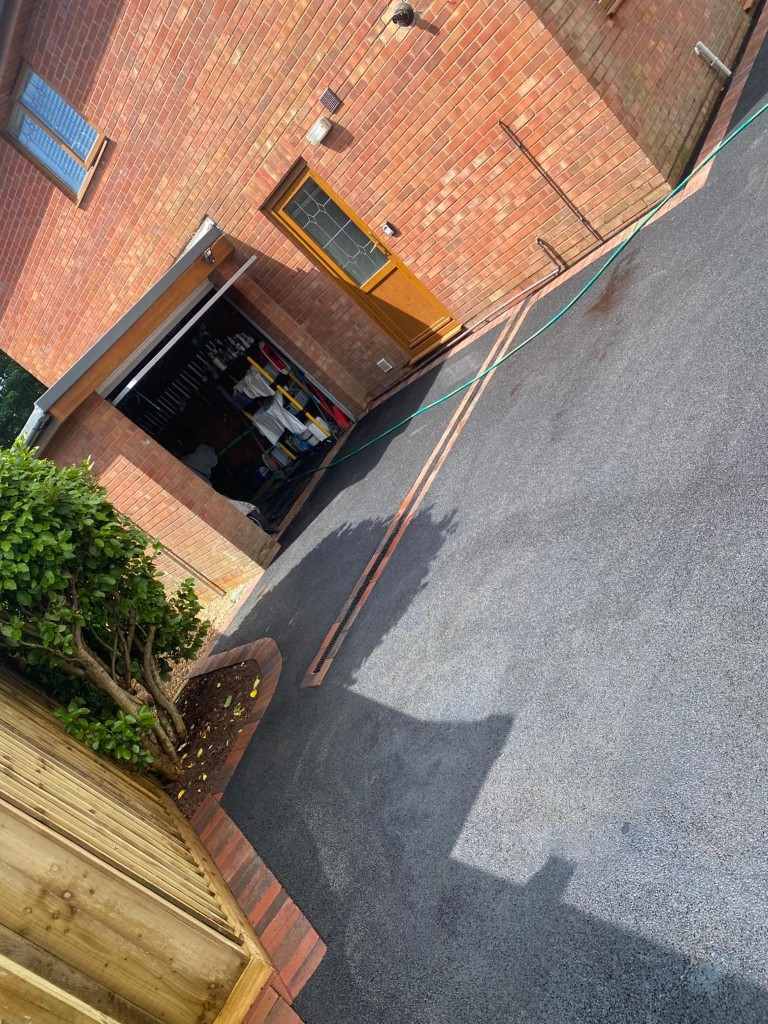
A driveway is the first thing to notice while entering a home. It adds value to a property and provides easy accessibility. It is the most frequently used space in the home, and a cracked driveway can disrupt its functionality or the home's kerb appeal.
A small crack might seem like a negligible issue, but it can turn into a much bigger problem if it goes unnoticed. You can repair it by brushing off dirt and loose parts, then filling it with the required sealant.
Materials and Tools Required to Repair a Driveway
Repairing a driveway requires the right materials and tools to increase its durability, including basic hand tools, power tools, sealants and safety gear. Having the right tools at the right time speeds up the repair process, ensuring its longevity.
- Basic Hand Tools: Shovels, rakes, brooms
- Power Tools: Jackhammer, plate compactor
- Essential Materials: Asphalt, concrete
- Safety Gear: Gloves, safety glasses, sturdy footwear
- Sealants and Fillers: Epoxy and caulk
Step-By-Step Process to Repair a Driveway
Before starting the repair, it is essential to inspect the entire driveway, obtain a complete overview of its condition, and collect all the required materials. Once you have all the required information and repair equipment and tools, follow these simple steps to repair it effectively and efficiently.
Inspect the Damage
Assess the damage to determine whether it is a small surface crack or a more serious issue requiring professional attention. It will help you choose the right tools and materials rather than trying the wrong products.
Clean the Surface
Remove vehicles from the area and clean it with a brush, pressure washer or a hose. A clean surface is easy to repair and lasts longer. Thorough cleaning allows the filler to form a strong bond, preventing cracks from reopening.
Repair Cracks and Potholes
Precisely apply the crack filler or sealant without leaving any open space or a gap. Choose the filler according to the nature and condition of the crack by reading the description or consulting a professional.
Allow the Filler to Cure
Level the applied filler to the surrounding surface with a trowel to improve appearance and prevent water pooling. Let the area cure according to the product's instructions. It will take a few hours to a day, depending on the weather and product type.
Apply a Protective Sealant
An extra layer of protective sealant will keep the surface safe from intense heat and rainfall, helping prevent future damage. Sealing the driveway after a few years will keep it in good shape over time.
Common Signs Your Driveway Needs Repair
Your driveway plays a key role in your home. Constant stress from vehicle weight, hot sun, and heavy rain can damage it, and some early signs to identify potential structural damage are:
- Surface cracks and potholes
- Water pooling after rain
- Uneven or sunken areas
- Drainage issues near driveway
- Weed growth through cracks
- Loose gravel or crumbling edges
- Fading and discolouration
- Aging and wear over time
Major Causes of Driveway Damage
Several factors can damage a driveway, including heavy vehicle loads or extreme weather conditions. Identifying the causes can help you solve issues earlier, before they escalate into major problems. Some common causes of driveway damage are:
Heavy Traffic
Driveways with heavy loads can cause sub-base compression or surface cracks. Try to avoid heavy loads by parking only a few cars at the same time.
Poor Installation
A weak foundation from improper installation can shorten a driveway's lifespan and cause problems earlier than expected, such as cracks under pressure.
Water Damage
Rainwater seepage into the foundation due to excessive rain can make it soft and affect its structural integrity, resulting in severe surface cracks.
Natural Ageing
Repeated use and weather exposure over the years reduce the structural strength of a driveway. Every material deteriorates over time, leading to broken surfaces or uneven areas.
Poor Drainage
Standing water breaks down materials, weakens the foundation, and leads to moss or algae growth, resulting in edge wear.
Tips to Prevent Future Driveway Damage
Preventive measures are always more cost-effective than expensive professional repairs. Regular maintenance and following some preventive measures will keep your driveway in excellent condition. Here are some tips to follow to prevent future driveway damage.
- Keep the surface clean.
- Apply protective sealant regularly.
- Improve drainage.
- Avoid heavy loads.
- Protect driveway edges.
- Remove weeds or plant growth.
- Schedule regular inspections.
Conclusion
Repairing a driveway is essential to maintaining its aesthetic appeal without compromising its value. Cleaning the surface thoroughly, applying a suitable material to cover the damage, and following the product instructions will help your repair last longer than expected.
A well-maintained driveway enhances a house's functionality. A and M Groundworks is a team of qualified engineers who understand the importance of a well-crafted, durable, and weather-resistant driveway, helping businesses and homeowners keep their driveways in great shape.
