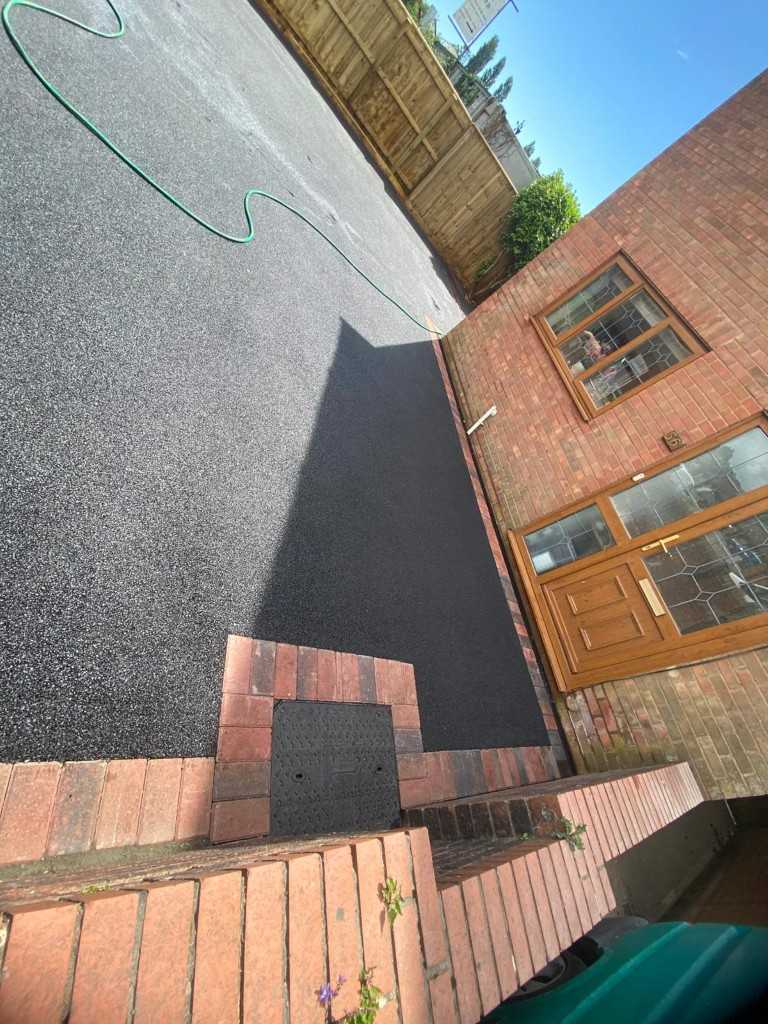
Hard landscaping refers to the solid, built features in a garden, such as patios, paths, driveways, walls, decking, fencing, steps, pergolas, and drainage systems. Soft landscaping refers to the living and natural elements, including grass, plants, trees, shrubs, flowers, soil, hedges, and turf. The main difference is that hard landscaping creates the garden’s structure, while soft landscaping adds colour, texture, movement, and seasonal interest.
Introduction
When planning a garden, many homeowners focus on the final look first. They imagine a neat patio, fresh lawn, colourful borders, raised beds, or somewhere sensible to put outdoor furniture without slowly sinking into mud. But before any proper garden design can take shape, it helps to understand the difference between hard landscaping and soft landscaping.
These two parts work together to create a complete outdoor space. Hard landscaping gives the garden structure, shape, access, and long-term function. Soft landscaping brings the garden to life with plants, grass, trees, flowers, and natural texture. One without the other can feel unfinished. Too much hard landscaping can make a garden look cold and lifeless. Too much soft landscaping can become messy, awkward, and difficult to use. Because naturally, even grass has to be managed like a small green rebellion.
A well-designed garden uses both in the right balance. Whether you want a modern low-maintenance patio, a family-friendly lawn, a stylish driveway, or a peaceful outdoor retreat, understanding hard landscaping vs soft landscaping helps you plan better, budget properly, and avoid costly mistakes.
What Is Hard Landscaping?
Hard landscaping is the fixed, non-living part of a garden or outdoor space. It includes the structural features that shape how the area looks, feels, and functions. These are usually made from materials such as stone, concrete, brick, timber, metal, gravel, porcelain, block paving, composite boards, or natural paving.
Common examples of hard landscaping include patios, pathways, driveways, retaining walls, garden steps, decking, fences, raised beds, edging, pergolas, outdoor seating areas, drainage channels, and paved courtyards. These elements are usually installed before planting because they form the base and layout of the garden.
Hard landscaping is important because it gives the outdoor space purpose. A patio creates somewhere to sit. A path makes movement easier. A retaining wall holds back soil. A driveway provides parking. Fencing adds privacy and security. Drainage keeps water away from problem areas. Without these features, a garden may look natural, but it may not be very practical.
For example, a garden with beautiful plants but no path can become muddy and awkward in wet weather. A lawn with no edging can spread into flower beds. A sloped garden without retaining walls may suffer from soil movement. Hard landscaping solves these practical issues and gives the garden a clear structure.
What Is Soft Landscaping?
Soft landscaping is the living, growing, and natural part of a garden. It includes the plants, grass, trees, soil, flowers, hedges, shrubs, bulbs, turf, wildflower areas, and planting beds that bring colour and life into the space.
Soft landscaping is more flexible than hard landscaping because it changes over time. Plants grow, flowers bloom, leaves fall, grass needs cutting, shrubs need pruning, and trees mature. This means soft landscaping can make a garden feel fresh and seasonal, but it also needs regular care.
Common examples of soft landscaping include new lawns, artificial or natural turf, planting schemes, flower beds, hedges, shrubs, trees, climbers, vegetable beds, soil improvement, mulching, and border planting.
Soft landscaping is what gives a garden personality. It softens the hard edges of patios and walls, adds privacy, attracts wildlife, improves air quality, and makes the space feel more natural. Even a modern paved garden can feel warmer and more inviting with the right planting.
The key thing to remember is that soft landscaping is not just “adding a few plants at the end”. It should be planned properly. The wrong plants in the wrong place can struggle, overgrow, block light, or need constant maintenance. Plants need the right soil, sunlight, drainage, spacing, and care. Yes, plants are picky too. At least they do it quietly.
The Main Difference Between Hard and Soft Landscaping
The simplest difference is this: hard landscaping is built, while soft landscaping is grown.
Hard landscaping includes the permanent or semi-permanent structures in your garden. It creates the layout, levels, access, boundaries, and usable areas. Soft landscaping includes the natural features that change and develop over time.
Hard landscaping tends to be more expensive upfront because it involves materials, groundwork, labour, and installation. Soft landscaping may be cheaper to install in some cases, but it can require more ongoing maintenance.
Hard landscaping is usually installed first because it affects the shape and structure of the garden. Soft landscaping is normally added afterwards to complete the look and bring the space to life.
A simple way to picture it is to imagine the garden as a room. Hard landscaping is the floor, walls, doors, and furniture layout. Soft landscaping is the decoration, texture, atmosphere, and life in the room. Without structure, the space feels chaotic. Without softness, it feels bare.
Why Hard Landscaping Matters
Hard landscaping is the backbone of a garden. It decides how the outdoor space is used, where people walk, where furniture sits, where water drains, and how different areas connect.
A good hard landscaping plan can make even a small garden feel more organised. It can divide the space into zones, such as a dining area, play area, lawn, planting border, or storage space. It can also improve safety by creating stable steps, even paths, and slip-resistant surfaces.
Hard landscaping is especially important in gardens with slopes, poor drainage, uneven ground, or heavy foot traffic. A properly built patio, retaining wall, or path can prevent future problems and make the garden easier to maintain.
Good hard landscaping can also add value to a property. A clean driveway, well-laid patio, neat fencing, or structured outdoor area can improve kerb appeal and make the home feel better cared for.
Why Soft Landscaping Matters
Soft landscaping gives a garden warmth, colour, and movement. It stops the outdoor space from feeling too hard or plain. Plants can make a patio feel relaxed, soften the edges of a wall, add privacy around seating areas, and create year-round interest.
Soft landscaping is also important for wildlife. Trees, hedges, flowers, and shrubs can attract birds, bees, butterflies, and other pollinators. A garden with thoughtful planting can support nature while still looking tidy and practical.
Plants can also help with shade, cooling, noise reduction, and privacy. A well-positioned tree can provide shade in summer. A hedge can screen out neighbours or road noise. Climbing plants can soften fencing or walls.
Soft landscaping can be changed more easily than hard landscaping. If you want a new colour scheme or lower-maintenance planting, you can adapt borders over time without rebuilding the entire garden. Convenient, because apparently even gardens need rebranding.
Hard Landscaping Examples
Hard landscaping can include many different features, depending on the garden style and purpose. Patios are one of the most common examples because they create a flat surface for seating, dining, and entertaining. Paving can be made from porcelain, sandstone, limestone, concrete, granite, or block paving.
Paths are another important feature. They guide movement through the garden and protect lawns from constant foot traffic. A path can be straight and formal or curved and relaxed.
Retaining walls are used in sloped gardens to hold soil in place and create level areas. They can be made from brick, block, stone, sleepers, or concrete.
Decking is often used to create raised seating areas, especially where the ground is uneven. Timber decking has a natural look, while composite decking is lower maintenance.
Fencing, gates, pergolas, edging, gravel areas, raised beds, and drainage channels are also part of hard landscaping. These features support the garden’s structure and help it work properly.
Soft Landscaping Examples
Soft landscaping includes anything living or naturally growing in the garden. Lawns are one of the most common soft landscaping features, especially for family gardens. Turf can create an instant green space, while seeded lawns take longer to establish but can be more affordable.
Planting beds and borders add colour, texture, and seasonal interest. These may include perennials, annuals, ornamental grasses, shrubs, and bulbs.
Trees can provide height, shade, privacy, and structure. Smaller trees work well in compact gardens, while larger trees need careful planning because roots and branches can cause issues if planted too close to buildings.
Hedges are useful for boundaries, screening, wind protection, and wildlife. They may need regular trimming, but they often look softer than fencing.
Soft landscaping can also include soil preparation, composting, mulching, wildflower areas, vegetable patches, and decorative planting schemes.
Which Comes First: Hard or Soft Landscaping?
In most garden projects, hard landscaping comes first. This is because patios, paths, walls, drainage, fencing, and levels need to be installed before planting begins. Heavy materials, machinery, digging, and construction work can damage plants, lawns, and soil if soft landscaping is completed too early.
Once the structure is finished, soft landscaping can be added around it. This allows plants, turf, borders, and trees to be placed in the right areas without being disturbed by building work.
However, both should be planned together from the start. If you only think about paving and walls, you may leave no space for planting. If you only think about plants, you may forget practical features such as seating, access, and drainage.
A balanced design considers both at the same time, even if hard landscaping is installed first.
Cost Differences Between Hard and Soft Landscaping
Hard landscaping usually costs more upfront because it involves materials, labour, groundwork, waste removal, and technical installation. Features such as patios, walls, driveways, steps, and decking require a strong base and careful construction.
Soft landscaping can sometimes be more affordable at the start, especially if you are planting smaller shrubs or seeding a lawn. However, the cost can increase if you choose mature trees, instant turf, large hedges, premium plants, or a detailed planting scheme.
Maintenance costs are also different. Hard landscaping may need occasional cleaning, sealing, repairs, or weed control. Soft landscaping often needs more regular care, such as mowing, watering, pruning, feeding, and replacing plants.
The best choice depends on how you want to use the garden. A low-maintenance space may need more hard landscaping and carefully chosen plants. A lush, natural garden may need more soft landscaping and ongoing maintenance.
How to Balance Hard and Soft Landscaping
A successful garden normally includes both hard and soft landscaping. The right balance depends on the size of the garden, your lifestyle, budget, and how much maintenance you want.
For a modern garden, you may choose porcelain paving, clean edging, raised beds, and structured planting. For a traditional garden, you may prefer natural stone paths, lawn areas, shrubs, and cottage-style planting. For a family garden, you may want a patio, lawn, safe paths, and durable fencing.
The important thing is to avoid extremes. A garden that is mostly paving can feel harsh, hot, and lifeless. A garden that is mostly planting can become difficult to walk through or use. A balanced design gives you structure and beauty at the same time.
A and M Groundworks can help create practical outdoor spaces by combining strong groundwork, hard landscaping features, and suitable soft landscaping ideas.
Final Thoughts
Hard landscaping and soft landscaping are both essential parts of a well-designed garden. Hard landscaping gives the space structure, access, stability, and function. Soft landscaping brings colour, life, texture, and natural beauty.
The main difference is simple: hard landscaping is the built part of the garden, while soft landscaping is the living part. One creates the framework, and the other completes the atmosphere.
If you are planning a garden project, think about how both elements will work together. A strong patio, neat path, or retaining wall can make the garden practical. The right plants, lawn, shrubs, and trees can make it feel welcoming. When both are planned properly, your garden becomes easier to use, better to look at, and more enjoyable throughout the year.
