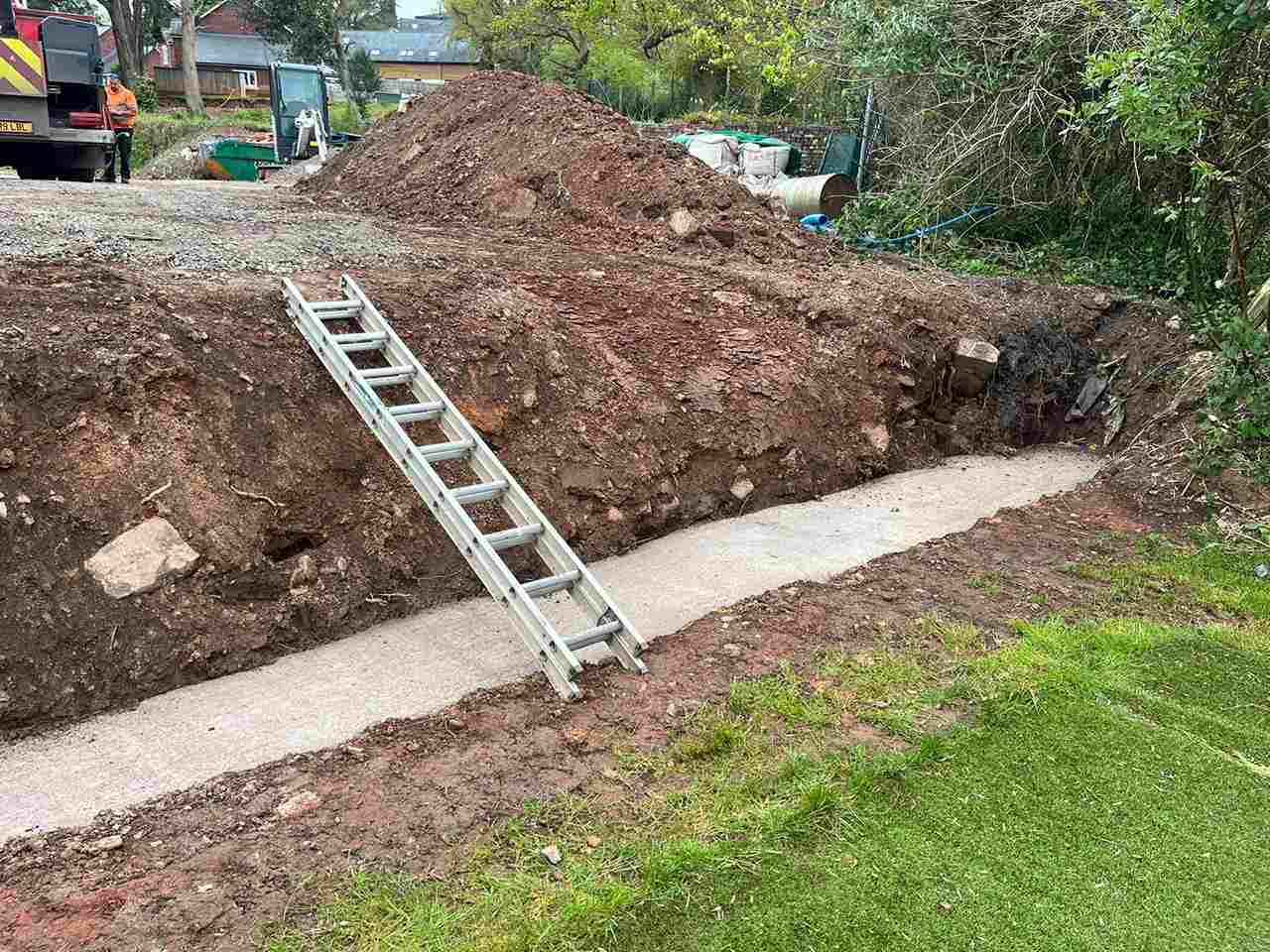
Underground drainage pipes should be buried at a depth of 600 mm to 1,500 mm. A minimum depth of 750 mm is usually considered sufficient for residential applications. However, the actual depth is based on various factors like soil type, local regulations, and climate.
Installing a drainage system is considered one of the most crucial decisions, as it involves choosing how deep the drainage pipe should be buried. The depth of the drainage pipe is important for its function, as it impacts performance, vulnerability, and maintenance.
The question that arises is: how deep should a drainage pipe be installed? The answer relies on multiple factors including the type of drainage system, soil conditions, local climate, and building regulations.
Understanding Underground Drainage Systems
An underground drainage system is a network of buried pipes, drain access points, and fittings constructed to collect wastewater and rainwater from buildings and land securely. These systems are necessary for managing water overflow and regulating water flow around your house.
Some main features include:
- Drainage pipes: These pipes are crafted from materials such as plastic uPVC, PVC, or cast iron.
- Pea shingle or granular material: These materials are used for pipe bedding and backfill.
- Access points: These points allow system checks and cleaning.
- Inspection chambers: These chambers provide access for upkeep.
How Deep Should Underground Drainage Be?
The depth of underground drainage pipes depends on specific conditions.
Type of Drainage System
Stormwater, wastewater, and foundation drains have varying depths.
Traffic Load
Drains underneath driveways or heavily operated areas require a deeper installation to bear the load.
Soil Conditions
The soil's composition and steadiness might influence the depth at which pipes are installed. Sandy or loose soil needs deeper installation to offer stability.
Local Climate
In cold-weather areas, drainage pipes are installed underneath the frost line to avoid freezing and breakage.
Local Building Regulations
The minimum depth of drainage pipes is specified by building codes and regulations.
Typical Depths for Underground Drainage Systems
Surface Water Drains
The maximum depth for surface water drains is 1.2 m, with a minimum depth of 600mm. Surface water drains collect rainwater from roads, gutters, or driveways and are typically buried at shallower depths.
Foul Sewers
The maximum depth for foul sewers is 1.5 m, with a minimum depth of 750 mm. Foul-water drainage pipes convey waste from internal plumbing and are installed deep enough to prevent damage from surface activity and extreme cold.
Land Drainage
The maximum depth for land drainage is 900mm, with a minimum depth of 600mm. These systems are widely used in outdoor or agricultural areas to drain excess groundwater and are generally buried at shallow depths.
Combined Systems
The maximum depth for combined systems is 1,500 mm, with a minimum depth of 750mm. In older properties where the pipes carry both foul and surface water, the depth of the drainage pipes is comparable to that of the foul water systems.
| Pipe type | Maximum depth | Minimum depth |
|---|---|---|
| Surface water drains | 1.2m | 600mm |
| Foul sewers | 1.5m | 750mm |
| Land drainage | 900mm | 600mm |
| Combined systems | 1.5m | 750mm |
Installation Process for Underground Drainage
Planning
Before starting the installation process, wisely select the pipe and bottom sizes that depend on the drainage specifications. Design the piping layout, recognise inspection chamber points, and confirm invert levels to make sure effective water flow.
Excavation
Excavate trenches to the specified depth, complying with the planned pipe layout. It is Important to ensure that the trench has the correct slope, generally around 1:40 for 110mm pipes, to enable wastewater to flow appropriately.
Bedding
Arrange approximately 100mm of pea shingle or Class D bedding beside the base of the trench, to offer a reliable foundation for the pipes. Compress the bedding material uniformly to create a level foundation before installing the pipe.
Pipe Laying
When laying pipes, start from the dead end of the drainage system and work upwards. To create watertight joints, use the right fittings and rubber seals, and make sure that all pipe connections are positioned accurately with access or inspection chambers.
Testing
When the pipes are buried, perform water or air pressure tests to check for leaks along the entire length of each pipe. Carefully examine all joints and connections to ensure they are sealed and working properly before covering the pipes.
Backfilling
Backfill the trench with appropriate material, such as large stones or debris, as these can cause pipes to break. Compress the backfill in layers to reduce the upcoming ground clearance and to provide long-term support for the drainage system.
Common Mistakes to Avoid
Installing Pipes Too Shallow
When the pipes are buried at inadequate depth, they are more likely to break due to ground movement, freezing temperatures, and heavy loads.
Ignoring Invert Levels
Neglecting to invert levels when linking to an existing drainage system can lead to poor water flow and maximise risk of blockages.
Using Unsuitable Backfill Material
Using unsuitable backfill material, such as large stones or poor-quality fill, can lead to broken pipes and a degraded drainage system.
Overlooking Required Permissions
Starting work without required consent from the local water authority can lead to legal issues, additional costs, or delays.
Final Thoughts
The right depth for installing underground drainage pipes is important for effective water flow, shielding the pipes from breakage, and increasing the longevity of the drainage system. Although residential drainage pipes are generally installed between 600mm and 1.5 m, the perfect depth depends on various factors. These include the type of drainage system, traffic loads, local climate, soil conditions, and building regulations.
A reliable drainage system can be achieved through careful planning, proper installation, and avoiding common mistakes, helping it operate efficiently and minimise the need for costly repairs and maintenance.
