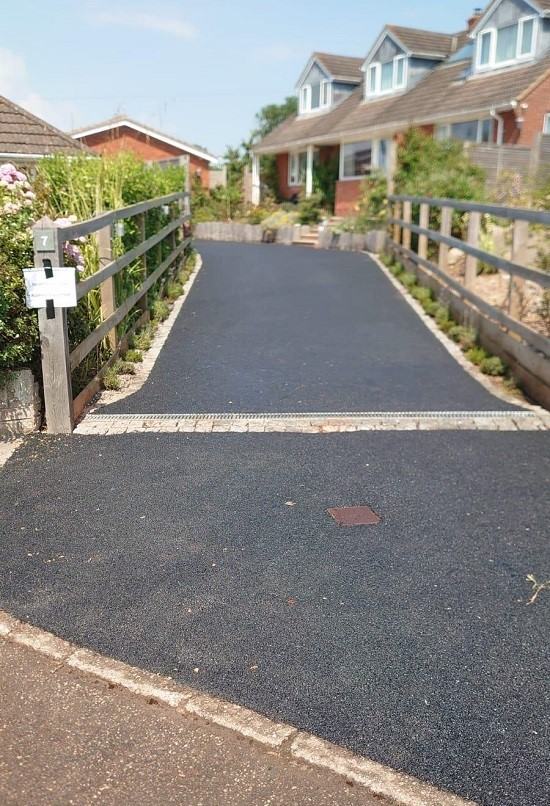
A properly paved driveway elevates your residence’s exterior allure, offers a secure parking space, and can even enhance property value. However, before embarking on such a project, it is necessary to comprehend the costs involved.
At A and M Groundworks, we know that budgeting for a new driveway can be overwhelming. For this reason, we have compiled this informative guide to aid you in estimating expenditures, exploring material options, and finding ways to save money without compromising quality.
Factors Influencing Driveway Paving Costs
The entire cost of paving a driveway depends on numerous major factors, including:
- Size of the Driveway: Bigger areas need more materials and labour.
- Material Choice: Various paving materials come at differing price points.
- Ground Preparation: Excavation, removal of old surfaces, and sub-base installation augment costs.
- Design Complexity: Complex patterns or custom shapes enhance labour time.
- Location: Labour rates and material availability differ across areas.
Let’s analyse each of these factors to give you a clearer picture.
Driveway Paving Costs by Size
The larger the driveway, the greater the cost. Here is a rough estimate based on common driveway sizes:
- Two-Car Driveway (30m²) – Around £3,000
- Four-Car Driveway (40m²) – Approximately £4,000
- Six-Car Driveway (60m²) – Nearly £6,000
These figures assume standard block paving at an average rate of £100 per m². Nevertheless, prices may fluctuate depending on material quality, labour, and additional groundwork requirements.
Driveway Material Costs Compared
Selecting the correct material is vital, as it impacts durability, maintenance, and general cost. Here is a comparison of standard driveway materials:
1. Concrete Pavers (£20 - £60 per m²)
Pros: Economical, durable, and low upkeep.
Cons: Non-porous, needing a drainage system (costing up to £1,000).
2. Clay/Brick Pavers (£70 - £100 per m²)
Pros: Classic aesthetic, long-lasting.
Cons: Higher initial cost, might require occasional resanding.
3. Natural Stone Pavers (£50 - £108 per m²)
Pros: Stylish, distinctive appearance, extremely durable.
Cons: Costly, might need sealing to avoid stains.
4. Permeable Pavers (£60 - £90 per m²)
Pros: Environmentally friendly, no need for additional drainage.
Cons: Slightly higher upfront cost, but saves on drainage expenses.
5. Composite Pavers (£95 - £125 per m²)
Pros: Lightweight, resistant to cracking.
Cons: Greater cost compared to concrete.
Which is the Best Option?
If budget is a concern, concrete pavers provide the best balance between cost and durability. Nevertheless, if you want a long-lasting, low-maintenance solution, permeable pavers eradicate drainage costs and avoid flooding.
Additional Costs to Consider
Beyond materials, numerous other expenses affect the total price:
1. Labour (£150 - £200 per day)
Expert installers generally take 4-7 days to complete a driveway paving project, depending on driveway’s size and project’s complexity.
2. Excavation & Groundwork (£30 - £50 per m²)
Removing old driveways, vegetation, or uneven surfaces guarantees a firm base.
3. Drainage Installation (£500 - £1,000)
Necessary for non-porous materials like concrete to avoid water pooling.
4. Edging (£25 per linear metre)
Defines the driveway’s borders and avoids shifting with the passage of time.
5. Skip Hire (£65 - £170)
Required for garbage removal after demolition or groundwork.
6. Weed Barrier (£30 - £50 per m²)
Avoids unwanted growth between pavers, decreasing long-term maintenance
How to Save Money on Driveway Paving?
Driveway paving is a substantial investment, but there are intelligent ways to reduce expenses without sacrificing quality. Here is how to get the bang for your buck:
Select Cost-Efficient Materials
Concrete pavers are the most economically viable option, costing considerably less than superior materials, such as natural stone or brick. While they need a drainage system, their durability makes them a pragmatic long-term option.
Invest in Proper Base Preparation
A well-prepared subbase avoids future problems such as sinking or cracking, saving you expensive repairs in the long run. Skimping on groundwork may result in irregular surfaces and premature wear.
Optimise Driveway Size & Shape
A smaller, simpler design decreases material and labour expenditures. Nevertheless, guarantee it still suits your requirements—if you have more than one car, a cramped driveway might cause parking complications.
DIY Where Possible
Managing tasks such as clearing vegetation, installing a sub-base, or even applying sealant yourself may result in considerable savings. Sealing your driveway, which generally costs around £300 if done expertly, is a manageable DIY job.
Schedule During Off-Peak Seasons
Contractors usually charge premium rates in spring and summer. Booking your project in winter or autumn can help you secure discounted pricing.
Compare Multiple Quotes
Prices differ between installers, so getting numerous estimates guarantees you secure the best deal without compromising on quality.
By applying these strategies, you can considerably decrease your driveway paving costs while still attaining a durable, appealing finish.
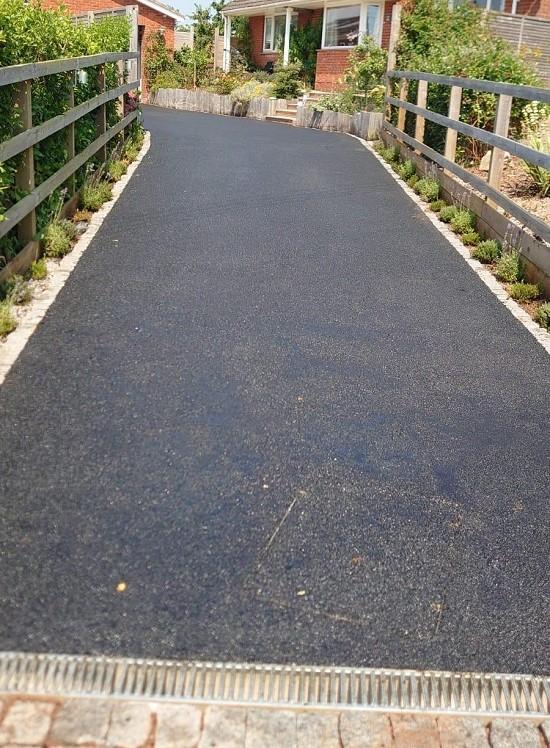
Is Paving a Driveway Worth It? The Major Benefits Explained
Most householders recognise the value of upgrading to a paved driveway, and for the right reasons. The benefits extend far beyond just aesthetics, offering practical advantages that make it a valuable investment for any property. Let's examine why paved driveways have become the preferred option.
Long-Term Durability That Withstands Daily Use
The excellent durability of paved driveways is one of their powerful selling points. When you select expert paving, you are investing in a surface built to last. Asphalt driveways, in particular, can serve your house beautifully for 15-20 years with adequate maintenance. This is not surprising when you consider it is the same material utilised for roads across the country, engineered to manage constant vehicle traffic and all types of atmospheric conditions. Unlike gravel surfaces that deteriorate and need annual replenishment, a properly installed paved driveway retains its integrity for several years to come.
Stress-Free Maintenance Compared to Gravel
One of the most appreciated advantages of paved driveways is their low-maintenance nature. After installation, your maintenance routine becomes superbly simple. Periodic sealing every few years safeguards the surface, and should any cracks develop, experts can effortlessly repair them. In contrast to gravel driveways that need continuous attention, no need to worry about annual gravel replacement or dealing with the messy consequences of weather corrosion.
Creating a Safer House Environment
The safety benefits of paved driveways make them especially valuable for families. The smooth, even surface eliminates tripping hazards and creates perfect conditions for individuals with mobility challenges. Whether family members are using walkers or wheelchairs, parents are pushing strollers, or simply providing stable footing for daily activities, paved driveways provide serenity that gravel surfaces cannot match. They also create an excellent solid surface for working on vehicles or other projects.
Enhancing Your Property's Value and Appeal
First impressions matter, and your driveway plays a vital role in your house's curb appeal. An expertly paved driveway conveys a message of quality and care to potential purchasers, boosting your property's market value. It creates a polished, well-maintained look that stands in strong contrast to obsolete gravel surfaces. Most homeowners find that this investment yields profit when the time comes to sell their property.
Practical Functionality for Daily Life
Beyond the aesthetic beauty, paved driveways provide unparalleled functionality. They clearly define parking areas, avoiding damage to your lawn while crafting a multi-functional space for different activities. Gone are the days of dealing with muddy ruts or irregular surfaces - a paved driveway provides dependable access in all conditions. Whether you are hosting a garage sale, working on your car, or simply coming and going from your residence, you will appreciate the clean, stable surface each day.
When you consider these advantages together—lasting durability, minimal maintenance needs, safety improvements, property value enhancement, and daily functionality—the value proposition becomes clear. While the initial investment might be higher than gravel's, the long-term benefits make paved driveways a wise option that pays for itself with time.
To Sum Up!
Paving your driveway is a wise investment that enhances functionality, safety, and aesthetics. While costs differ based on size, materials, and labour, proper planning can help you stay within your financial means.
At A and M Groundworks, we excel in superior-quality, economical driveway solutions customised to your requirements. Whether you prefer classic block paving or contemporary permeable designs, our crew guarantees a perfect finish that endures the test of time.
Ready to transform your driveway? Get in touch with us now!
